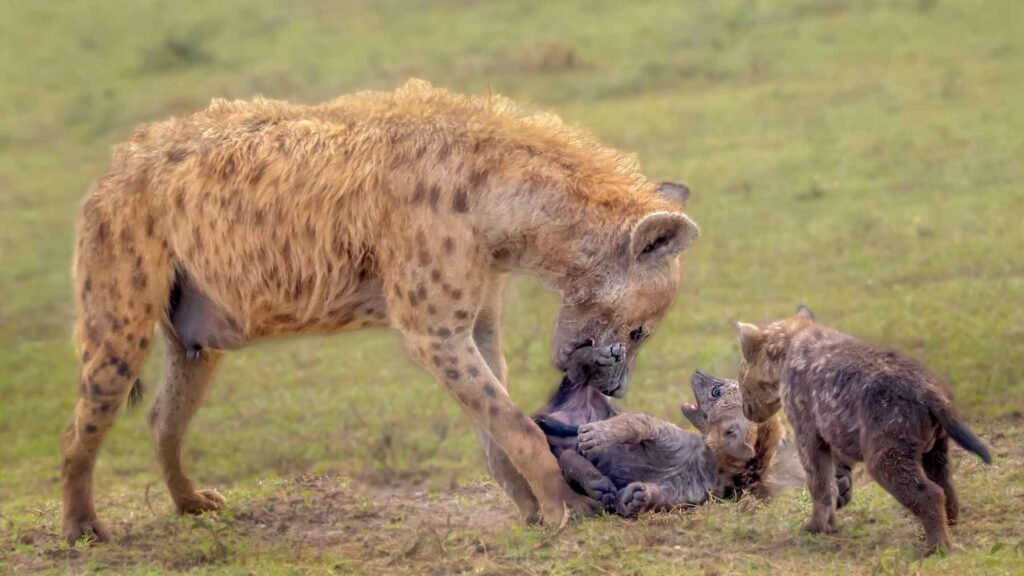
Like many, I love the sight of wild animals. I, too, cherish the photographic opportunities presented by lions, cheetahs, and leopards.
Yet, I feel a fondness for hyenas. I’ve chosen to write about them now because they’ve endured unfair bad press for far too long—and I think it’s time someone spoke up on their behalf. 😉
They may not possess the “majesty” of a lion, the sleekness and speed of a cheetah, or the elegance of a leopard. But is that a valid reason to treat them with contempt?
In popular culture—especially in children’s stories and films like The Lion King—hyenas are almost always depicted as villains, scavengers, and generally unpleasant characters. This stereotypical portrayal doesn’t reflect the complex reality of these animals.
Regrettably, some of these negative perceptions likely stem from their appearance, which some find “unattractive.” A friend once remarked that a hyena wasn’t cuddly—but I’ve seen adorable hyena cubs. Have you? Another noted that hyenas are born with a full set of teeth—extraordinary! But I wouldn’t condemn them for that. Would you?
And yes, there’s a general distaste for scavengers, especially when they act aggressively. I’ve seen a hyena scare away a group of vultures from a carcass. But lions, too, are known to scavenge when the opportunity arises, and that doesn’t seem to tarnish their noble image.
Click on the images to see them larger, uncropped, and read their titles.
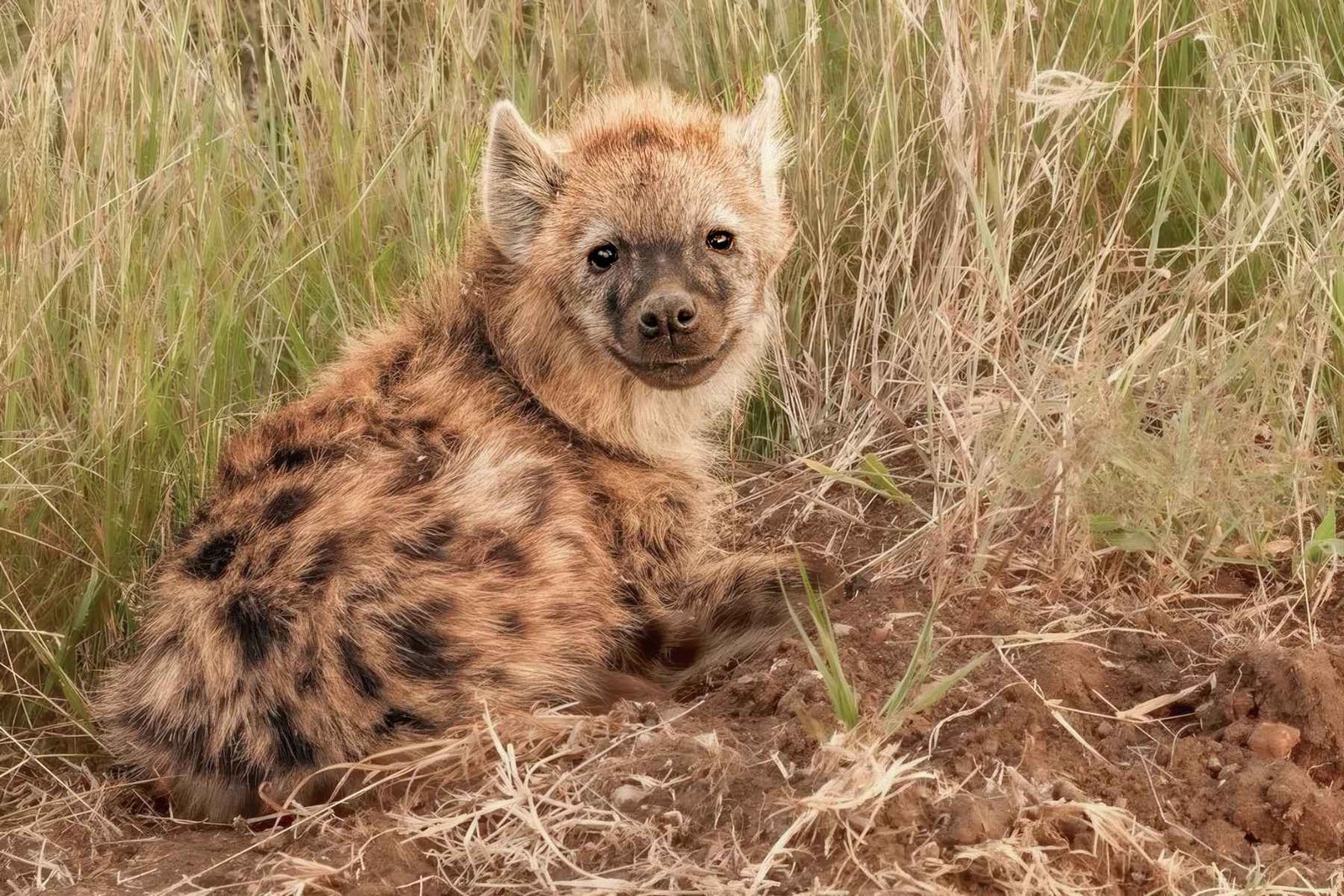
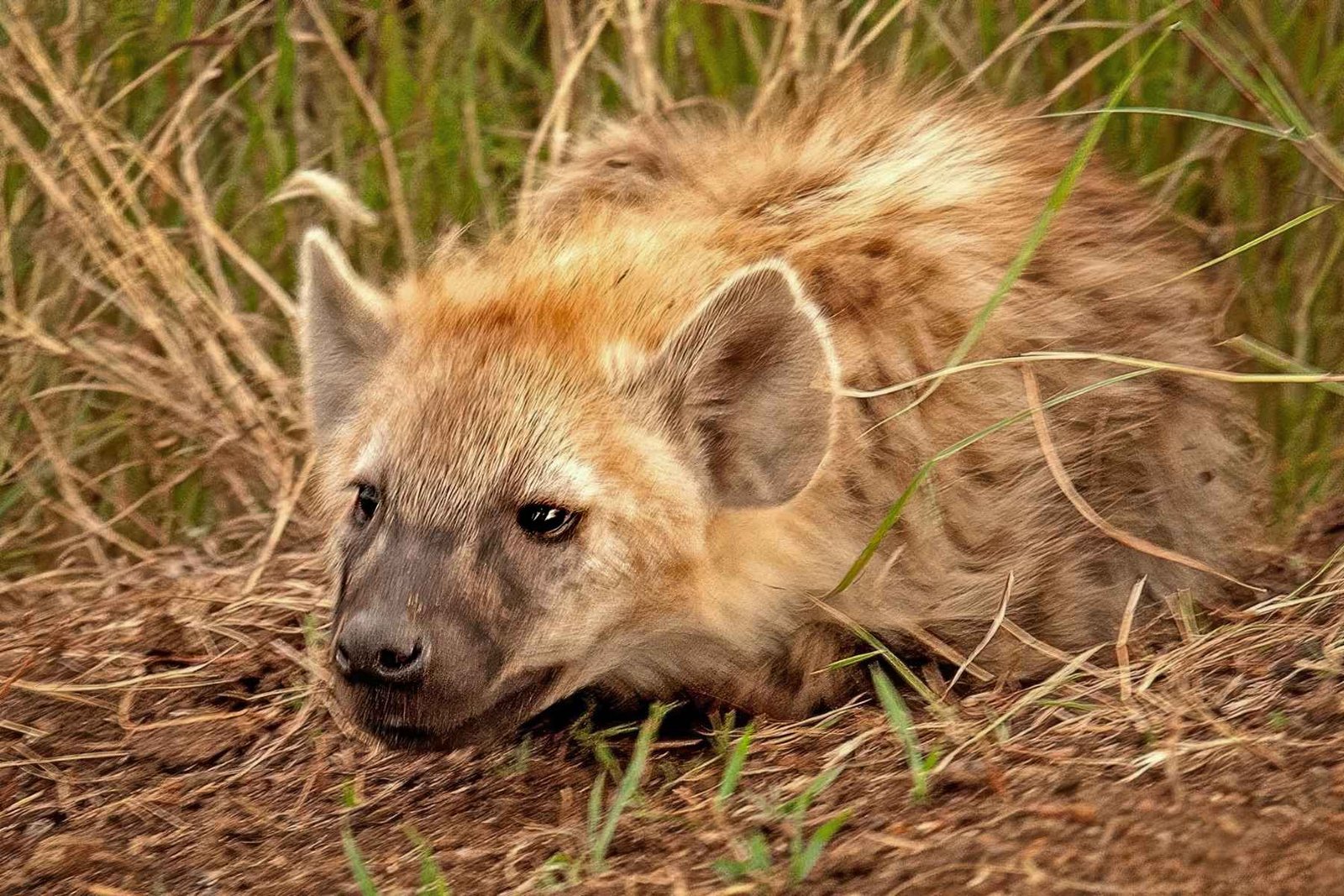
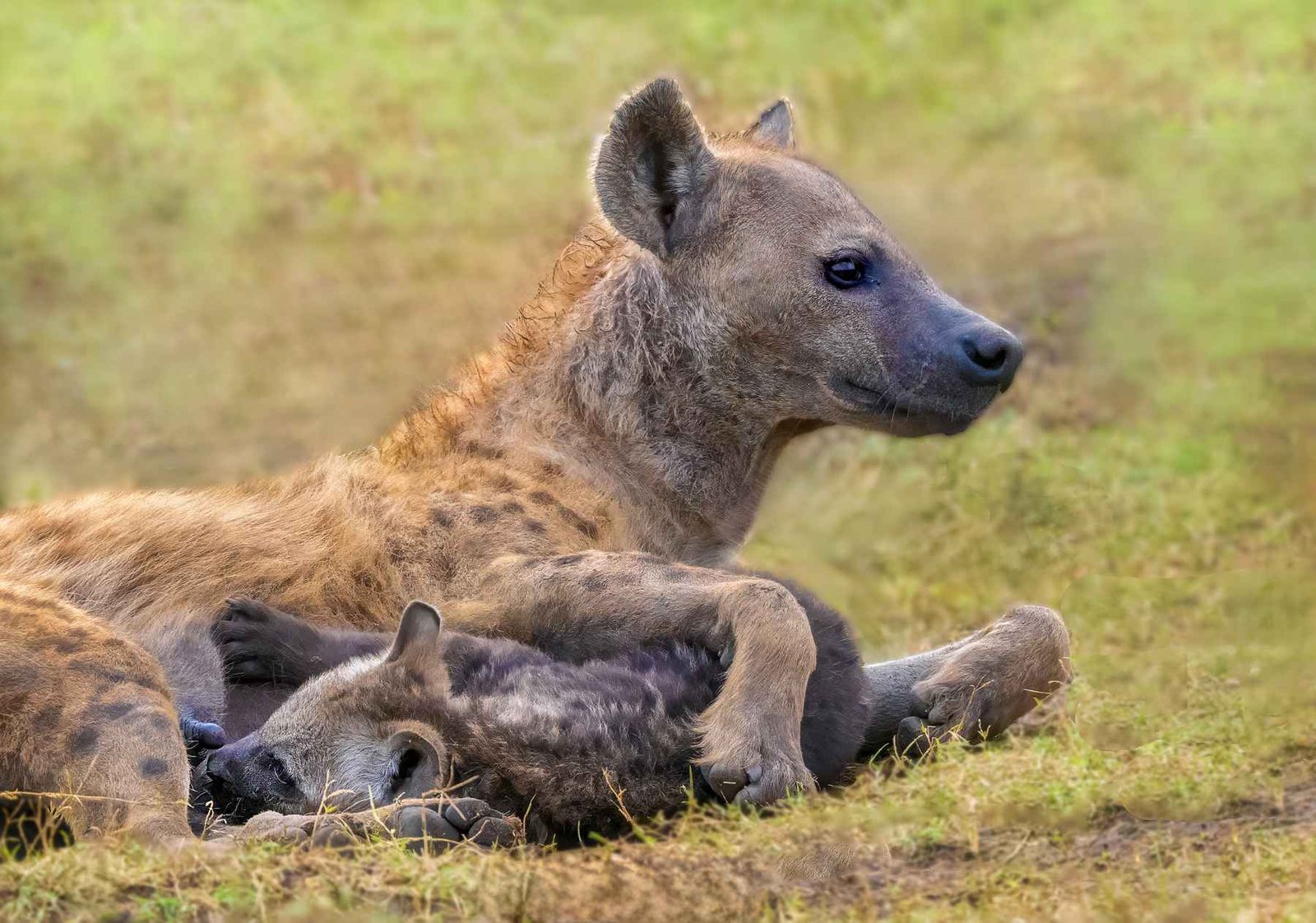
During my last trip to Kenya, we were privileged to witness a hyena mother nursing her two cubs. The tenderness and attentiveness she showed were in no way inferior to the maternal care I’ve observed in lions and cheetahs. As another photographer and I were deeply engaged in capturing those touching moments, our group leader, Federico Veronesi, radioed from another vehicle. There was a certain Italian urgency—perhaps mixed with a bit of exasperation—as he urged us to “[for heaven’s sake], get off those hyenas!” He wanted us to join the others photographing lions at another spot.
There is an irony—had these been lions, cheetahs, or leopards, anyone would have stayed with them much longer. On a previous trip, Federico had also told me that hyenas weren’t his favorite animals—he found their way of handling prey “cruel.” His view is understandable and, frankly, fairly common among seasoned photographers.
Let me add this: I admire Federico —not only is he an outstanding wildlife photographer, but his love for the African wilderness shines through in all he does. His greatest passion is photographing elephants, and his images of them are breathtaking. My mention of this moment isn’t a criticism, but rather a reflection of how ingrained the bias against hyenas can be—even among those who care deeply about wildlife.
But I believe these perceptions are often based on incomplete information. Here’s a more nuanced look at why hyenas are so often disliked:
Misconception 1: They’re just scavengers
For a long time, hyenas were viewed as animals that rely solely on the leftovers of others. But studies have shown that spotted hyenas actively hunt and kill the majority (sometimes up to 70–90%) of their food. They are skilled, strategic hunters capable of taking down prey much larger than themselves.
Misconception 2: Their feeding method is cruel
Hyenas have incredibly strong jaws capable of crushing bones. When they bring down large prey, they often begin feeding while it’s still alive—something many find brutal. However, this method allows them to eat quickly and avoid losing their meal to competitors. It often leads to a faster death due to blood loss and shock.
And if this behavior is considered gruesome, we might ask the same of African wild dogs, who feed in a largely similar manner. Yet wild dogs are highly sought-after photographic subjects—often simply because they’re endangered. Perhaps we need to view both species in the context of their natural roles.
Misconception 3: They aren’t beautiful
Hyenas don’t fit the traditional image of a “majestic predator.” Their posture, their gait, their bloodied faces—yes, it can be uncomfortable. But haven’t we seen lions and cheetahs with equally bloodied faces after a kill?
People also mention their “laugh,” which is often described as eerie. I have yet to hear it myself. But I have heard a cheetah “meow” like a house cat—and that was surprising, but endearing to me.
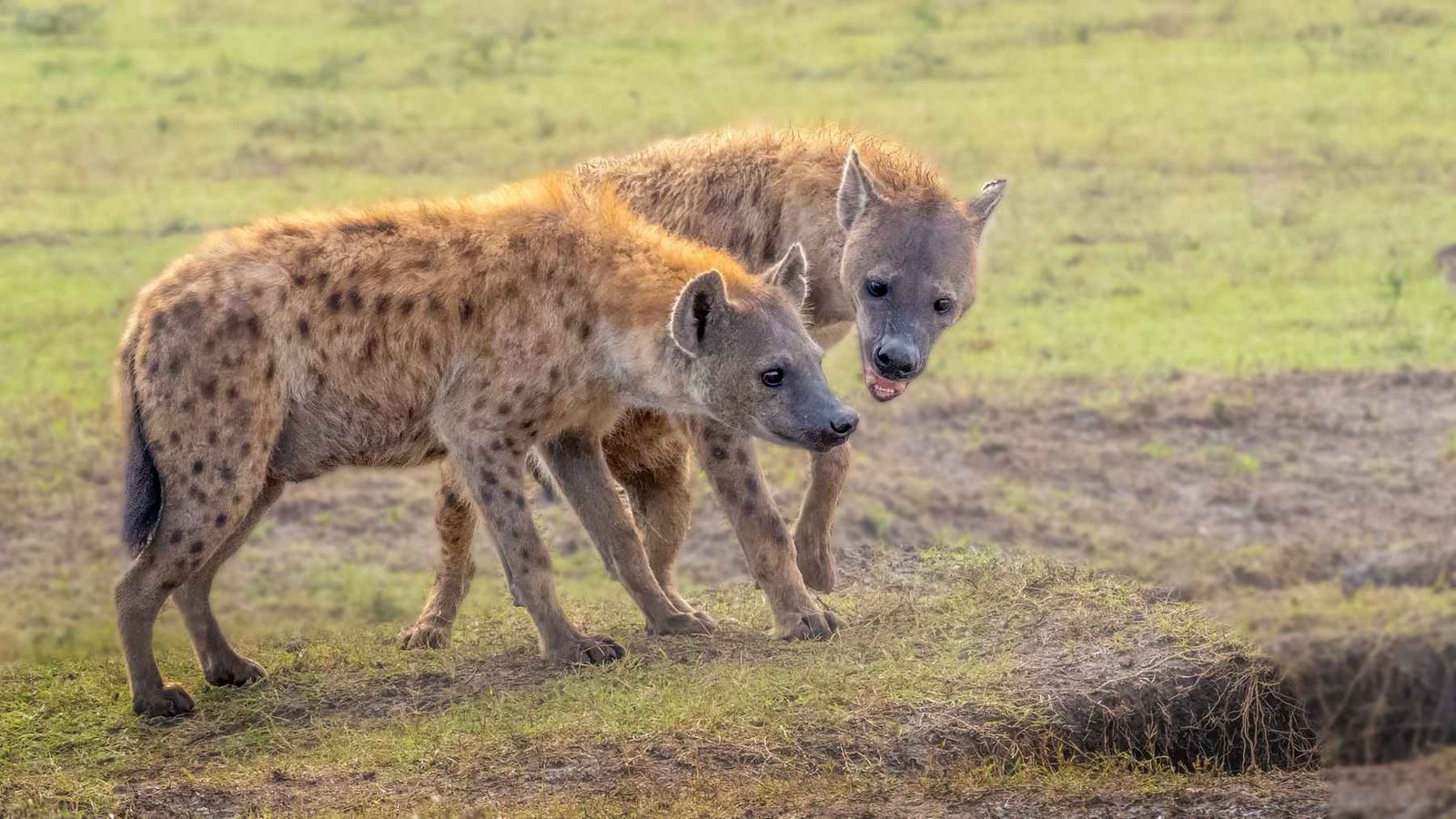
Misconception 4: They aren’t photographically interesting
Hyenas offer a refreshing contrast to the more frequently photographed predators. They break the mold of the “noble pose,” which is exactly what makes them compelling. Their facial expressions are often intense, inquisitive—and, very often, they look totally “stressed out”… or maybe they are!
Because hyenas are social animals, photographing their interactions within clans—greeting rituals, maternal care, mock fights—can yield some of the most emotionally resonant images. There’s often more visible storytelling in a hyena clan than in a lone big cat. Capturing a hyena mother nursing her cubs or gently grooming another clan member reveals a side few ever see—images that challenge common perceptions of their nature.
Their coarse fur and muscular build can look fantastic in early morning or late afternoon light. Hyenas often appear in context-rich settings—near dens or in dramatic standoffs with other scavengers. These scenes offer depth and narrative potential. Their loping gait and unpredictable movements can also add variety to a safari portfolio that might otherwise be full of symmetrical, statue-like poses.
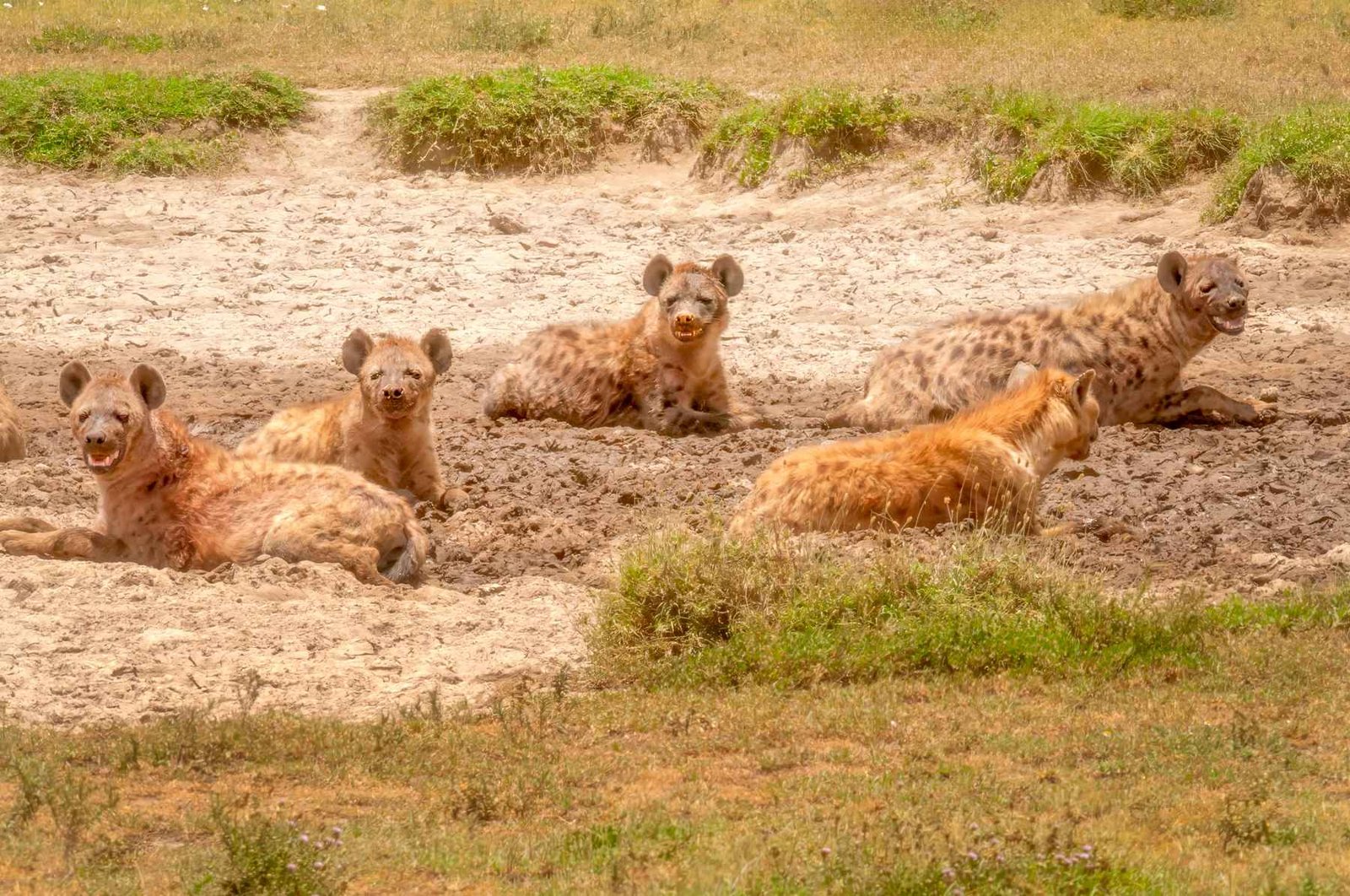
On one safari, we saw a hyena den teeming with dozens of them—some resting, others moving in and out of the burrow. Hyenas are highly social and intelligent animals. They live in complex matriarchal clans and exhibit sophisticated cooperation and communication.
In their role as scavengers, they provide an invaluable ecosystem service—along with vultures—by cleaning up disease-ridden carcasses. They are ecological caretakers as much as they are hunters.
Ultimately, we must look at their behaviors in the context of survival and evolution, not through the lens of human emotion. It’s important to resist the urge to impose our moral judgments onto animals that are simply fulfilling their role in nature.
A Final Thought
Hyenas challenge our ideas of beauty, behavior, and even morality within the animal kingdom. They don’t fit neatly into our idealized view of the noble predator. But their role in nature is indispensable—and in many ways, admirable.
Perhaps, just perhaps, our discomfort with hyenas reflects more about our own ingrained biases and limited perspectives than it does about these fascinating, ecologically vital creatures.

